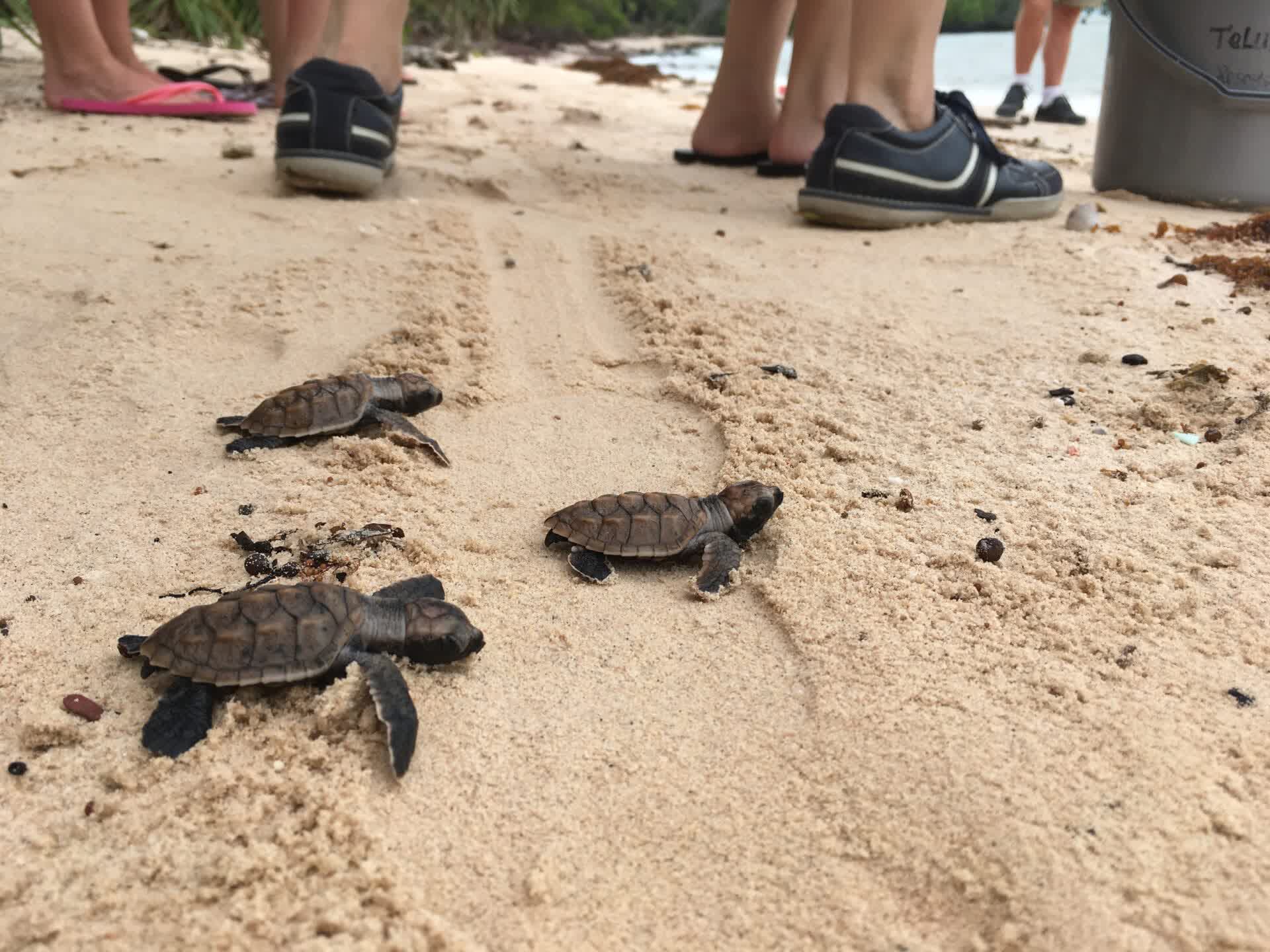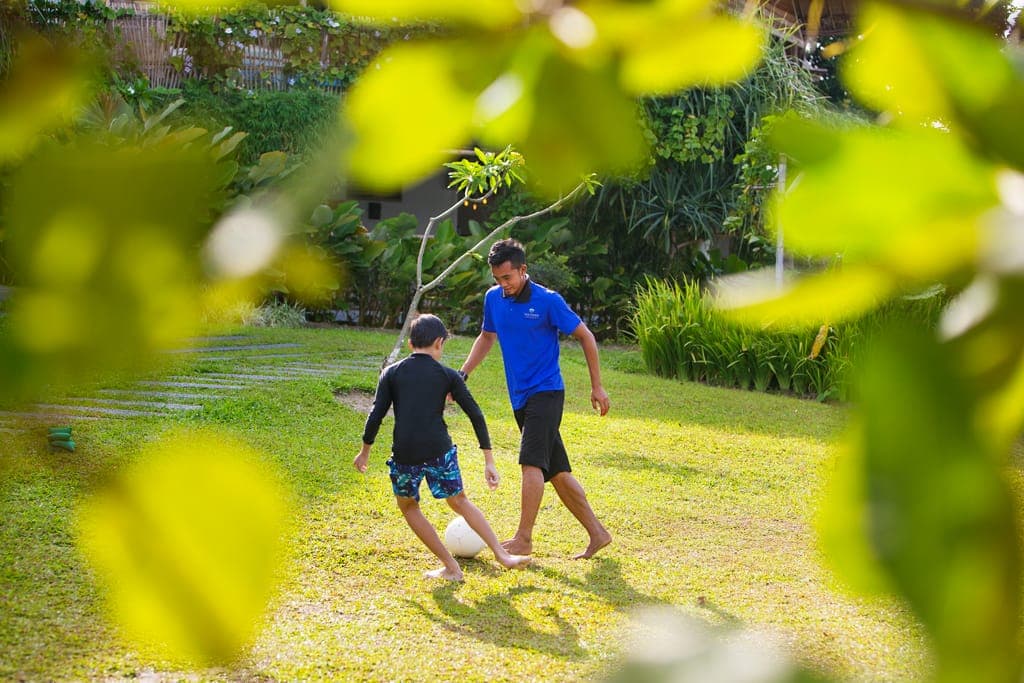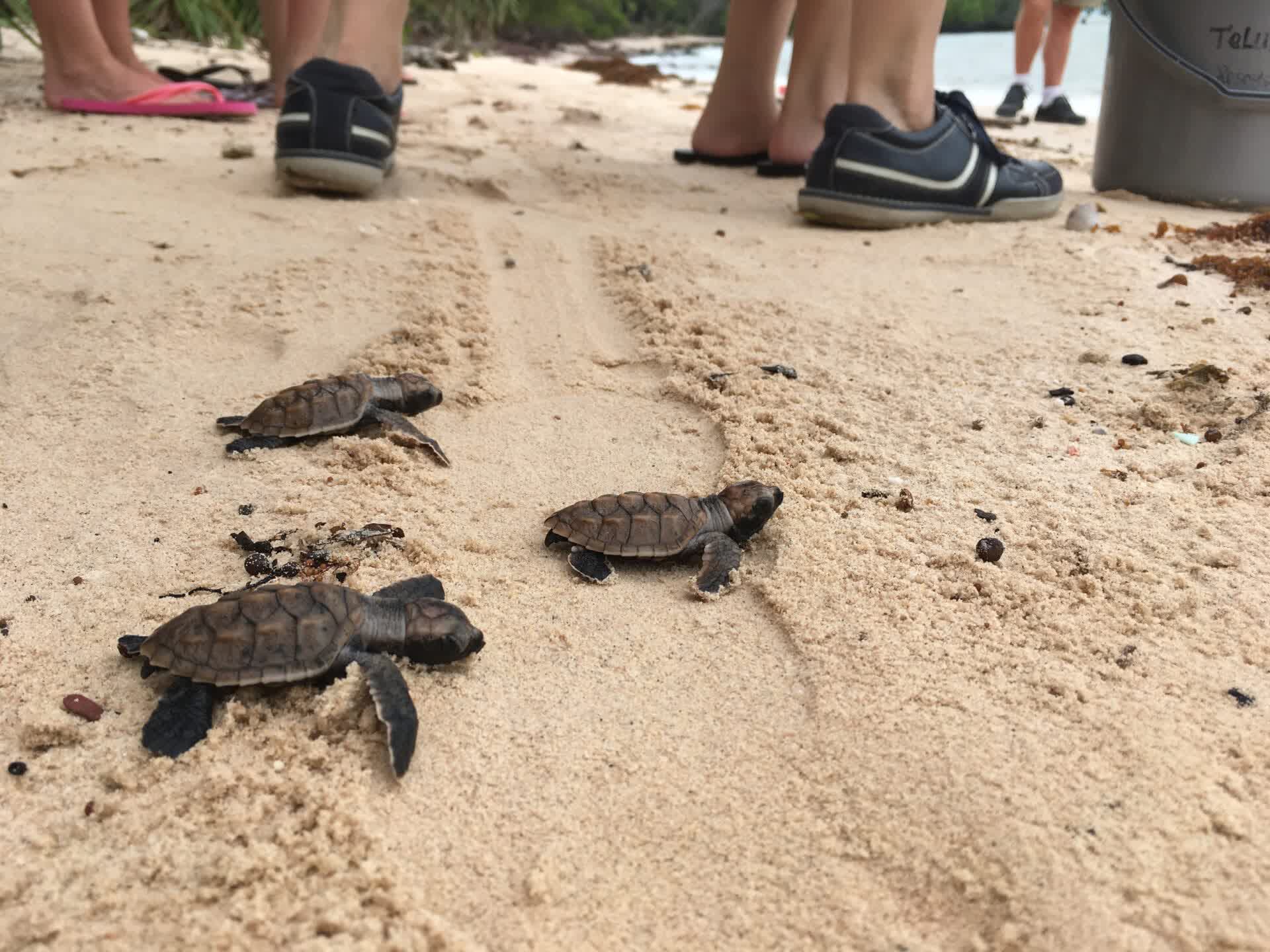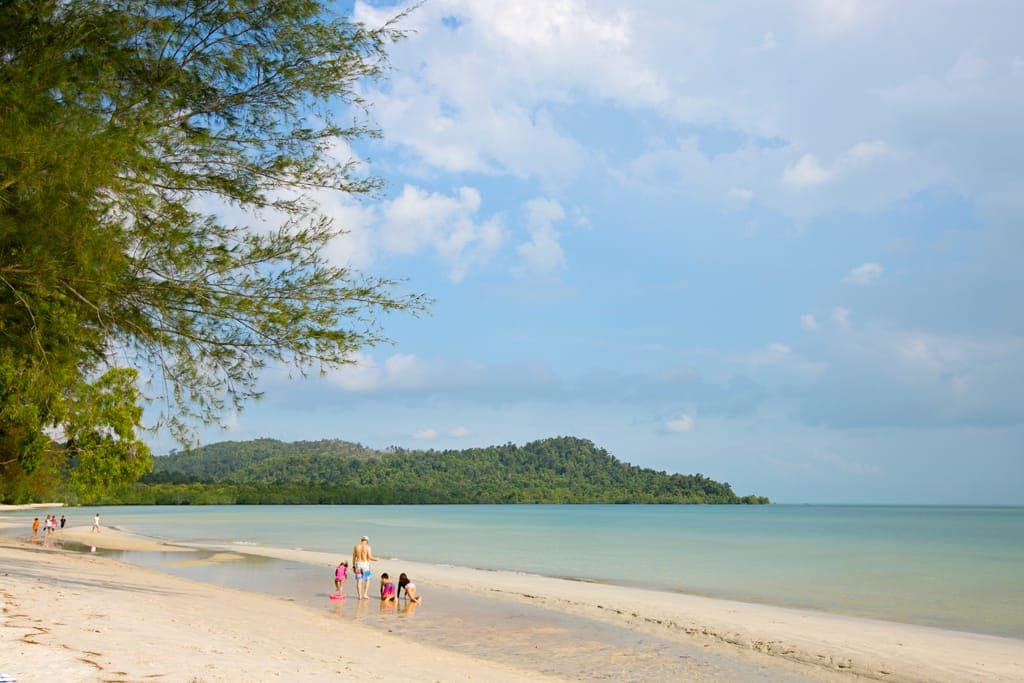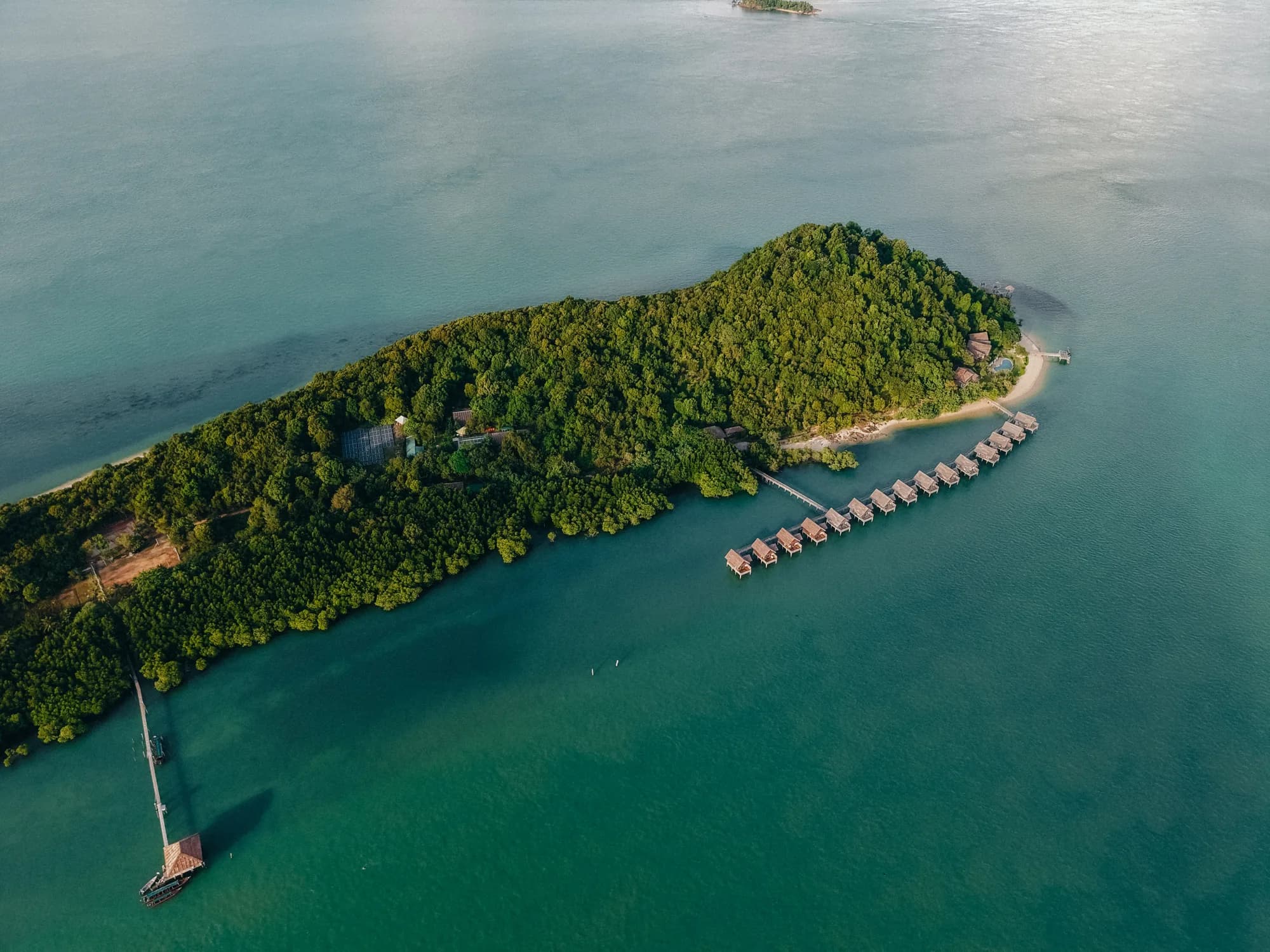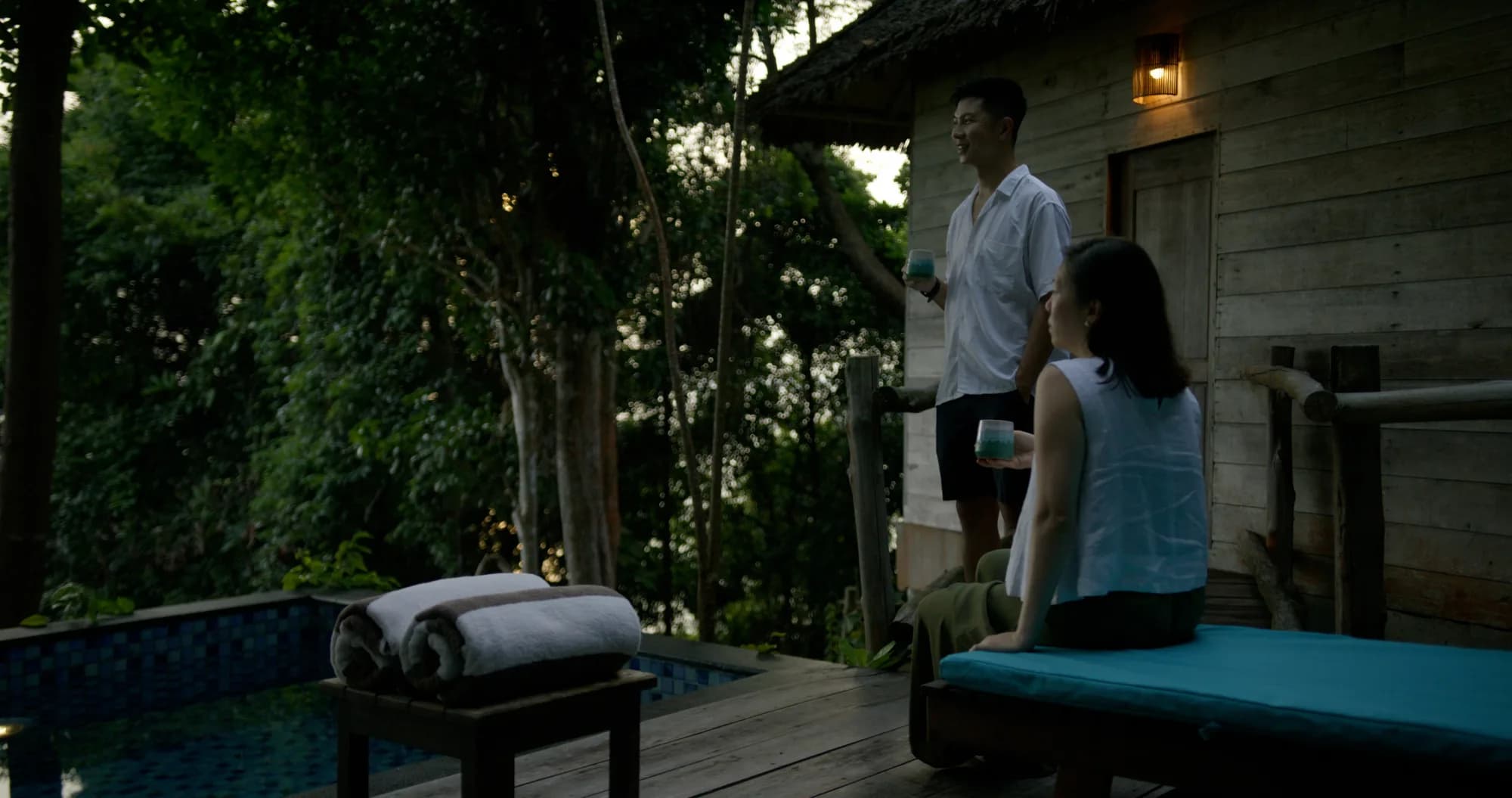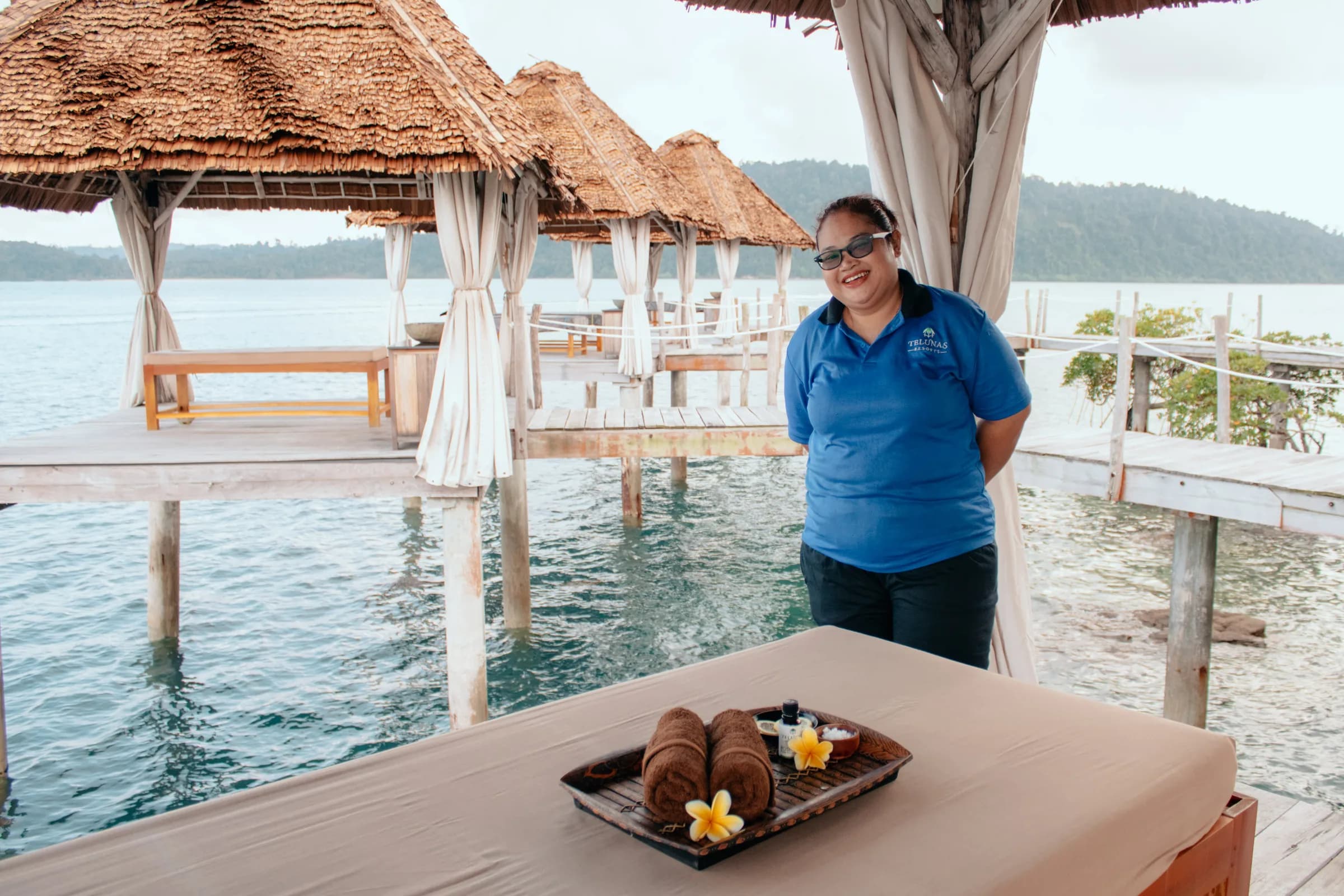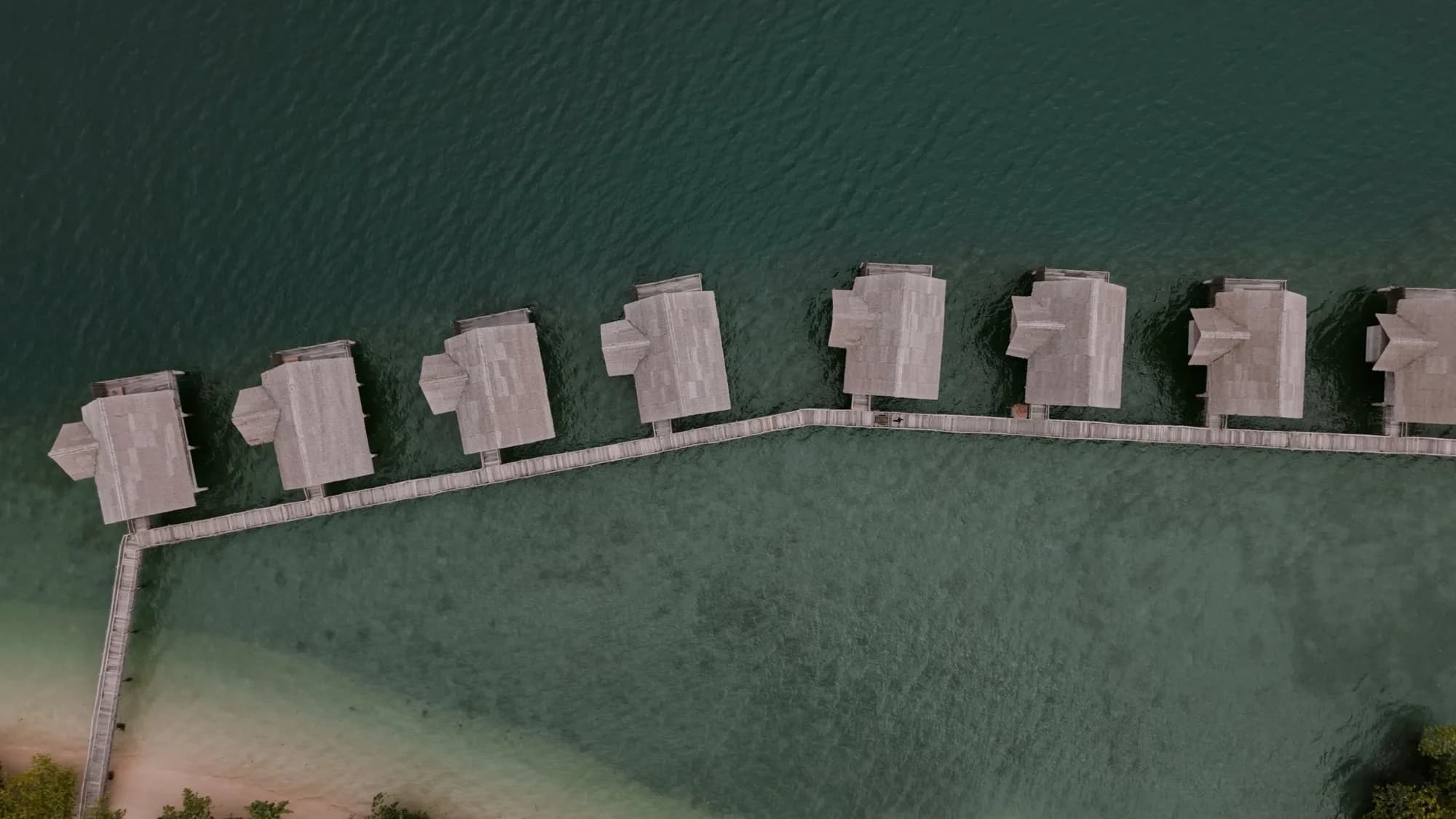


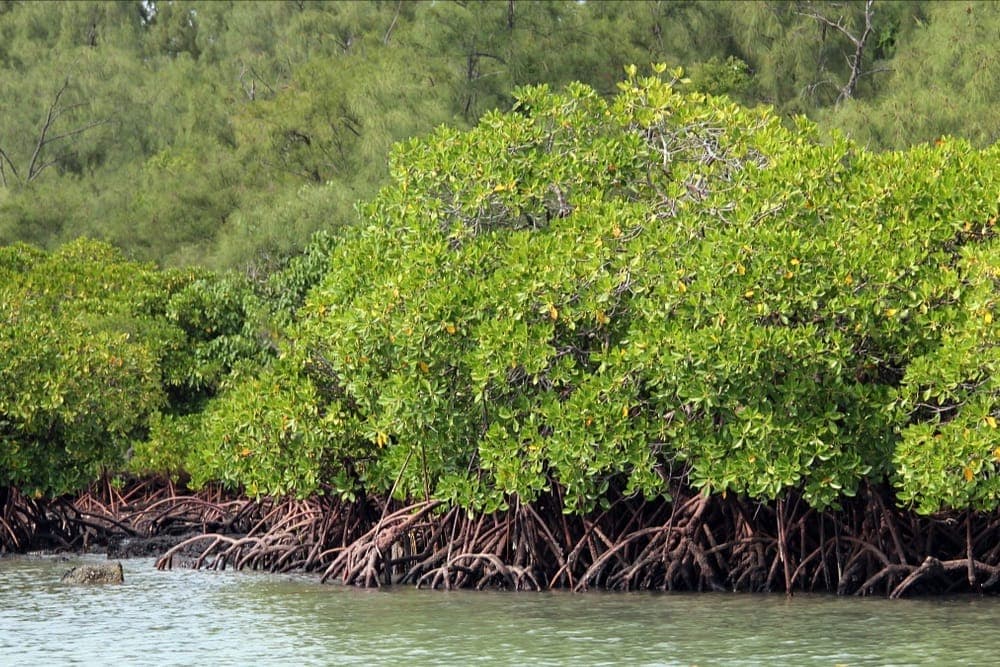
In celebration of the International Day for Conservation of Mangrove Ecosystem and World Nature Conservation Day, guests and employees of Telunas Resorts are planting mangroves! 2,019 mangrove seedlings were planted this summer. Our staff organizes mangrove planting activities at Telunas Private Island and neighboring villages as one of the many activities offered for our guests.
What Are Mangroves?
Mangroves are trees that have adapted to live in saltwater. They stand on long, rope-like roots that hold them up above the water. These unique root systems allow them to withstand flooding when the tide goes in or out. They grow in areas where the soil has little to no oxygen and often in slow-moving waters. And they protect islands from erosion.
Where Are They Found?
Because they cannot withstand freezing temperatures, mangroves only grow in tropical and subtropical climates. They can be found on the Telunas islands as well as many of the surrounding islands. There are 70-80 different species of mangroves in 136 countries around the world, and each species is specifically adapted to its environment.
Why Are Mangroves Important?
Mangroves are incredibly good at storing carbon. 2.5 acres of mangroves can store up to ten times more carbon than 2.5 acres of forest on land. Instead of releasing it as carbon dioxide and methane back into the atmosphere, mangroves store the carbon where they grow in the flooded soils. Mangroves also help prevent erosion and preserve and stabilize coastlines. Research shows that mangroves greatly impede wave height and storm surges, reducing the damage done to property and the coastline. They also provide a home to any number of birds, snakes, fish, and many other creatures.
Why Do They Need Conservation?
Despite all the ecological benefits of mangroves, the earth is quickly losing its mangrove populations. Mangrove forests are being cleared for wood or to make room for agriculture or infrastructure. 35% of mangrove forests have already been lost. Some studies show that mangrove forests are being cleared faster than tropical rainforests.
How Telunas Helps
Here at Telunas, we see firsthand how the mangroves are disappearing. We understand how important they are to our ecosystem and we are doing what we can to help bring them back. According to the most recent measurement, we currently have 70,000 square meters of mangroves at Telunas. These mangroves absorb over 12 metric tons of carbon dioxide per year. We have a mangrove nursery, where we plant mangrove seedlings in a sheltered beach area, away from the rough waves of the sea. There, they grow strong root systems before they are transplanted to mangrove beaches.
Every year, we host mangrove planting activities to improve the health of our environment, increase awareness about the importance of mangroves, and celebrate conservation efforts going on around the globe. Guests who participate create a lifetime memory and receive a Telunas t-shirt and coconut drink for their efforts!
We are passionate about partnering with guests and surrounding islands to clean up our oceans and preserve our ecosystems. Mangrove planting is just one of the ways we do that.