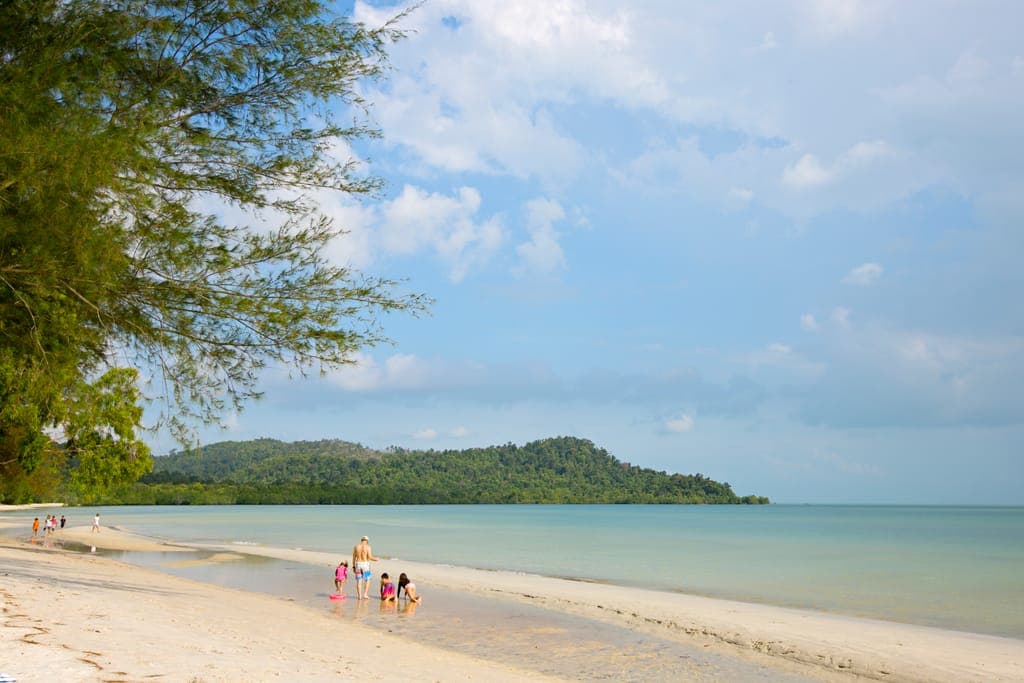


A credible eco resort in Indonesia should publish measurable evidence across environmental management, local economic benefit, community wellbeing and cultural respect. Look for dated baselines, defined funding or staffing commitments, operating changes and independent review. A beach photograph, reusable bottle or broad promise is not enough to prove the impact of a stay.
What evidence should an eco resort publish?
The Global Sustainable Tourism Council groups hotel criteria into sustainable management, social and economic impact, cultural impact and environmental impact. That is a useful starting framework because it prevents one visible initiative from standing in for the whole operation. A credible resort should explain who owns the programme, what is measured, how often it is reviewed and which results changed.
Look for both policy and performance. The Telunas Private Island page describes how the property itself operates. A policy says the resort intends to reduce waste. Performance evidence states the waste boundary, baseline, current result and next target. Certification can help when the standard and audit scope are clear, but a logo should not replace the underlying evidence.
| Evidence area | Stronger signal | Weak signal |
|---|---|---|
| Management | Named owner, written plan, targets and review cycle | A campaign with no accountable operator |
| Environment | Energy, water, waste or habitat metrics with dates and boundaries | Nature imagery or a single guest amenity |
| Community | Local employment, education, procurement or wellbeing evidence | One-off volunteering without community-defined need |
| Culture | Consent, fair participation and protection of local heritage | Culture used as entertainment without local voice |
| Transparency | Method, source, limitations and corrections | Large numbers with no explanation |
What does the Telunas 1-2-3 model claim?
The current Telunas impact page states that 1 percent of revenue goes to sustainability initiatives, 2 percent of staff working hours supports sustainability programmes, and 3 percent of profit goes to the Telunas Foundation. This model is useful because it identifies three different resource commitments rather than presenting impact as an optional donation.
Those figures are resort-published commitments. A careful reader should still ask how each percentage is calculated, which entities and dates are covered, and how expenditure or hours are verified. Credibility grows when the method and annual results are published alongside the headline model.
Which environmental results does Telunas report?
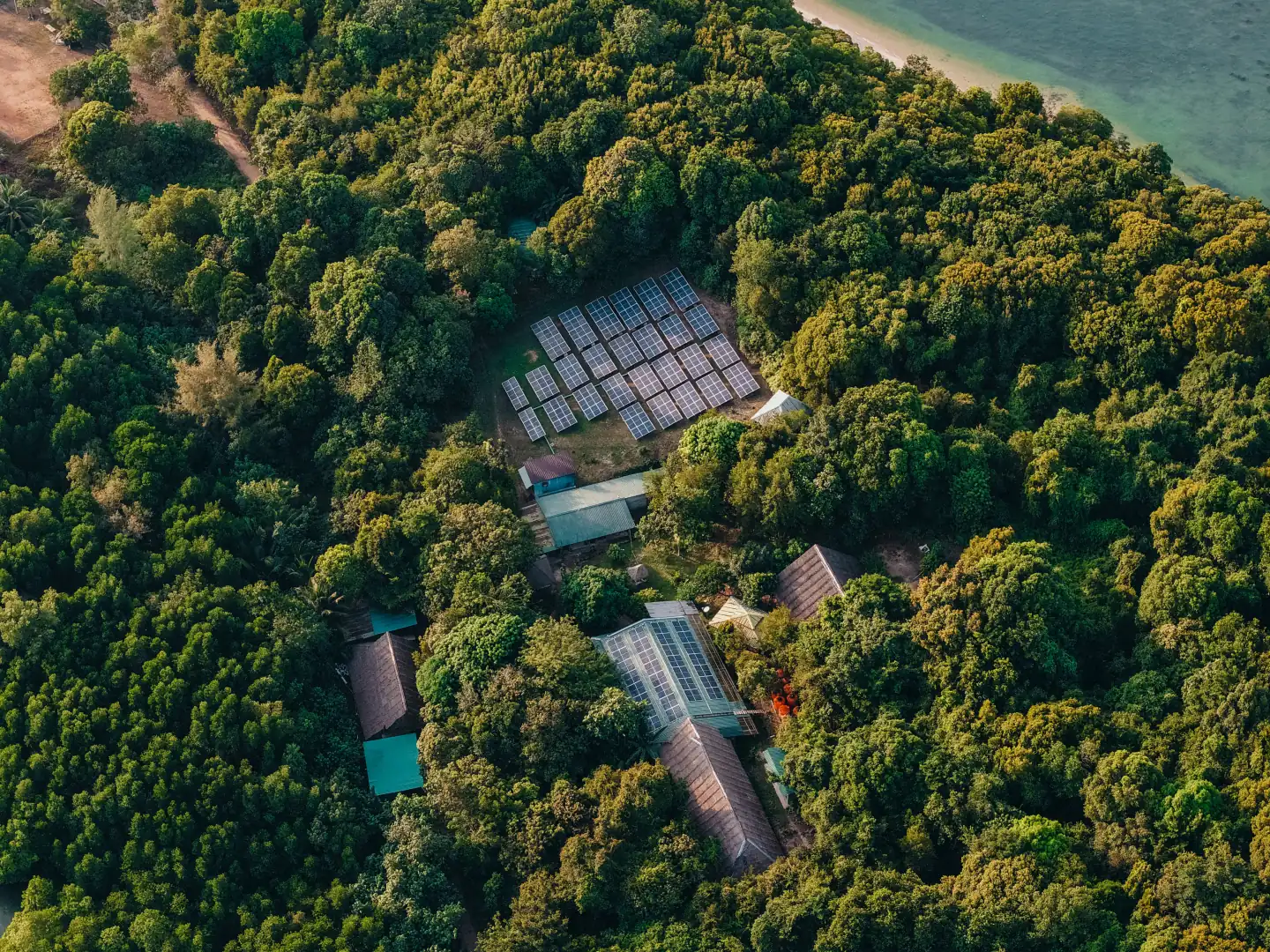
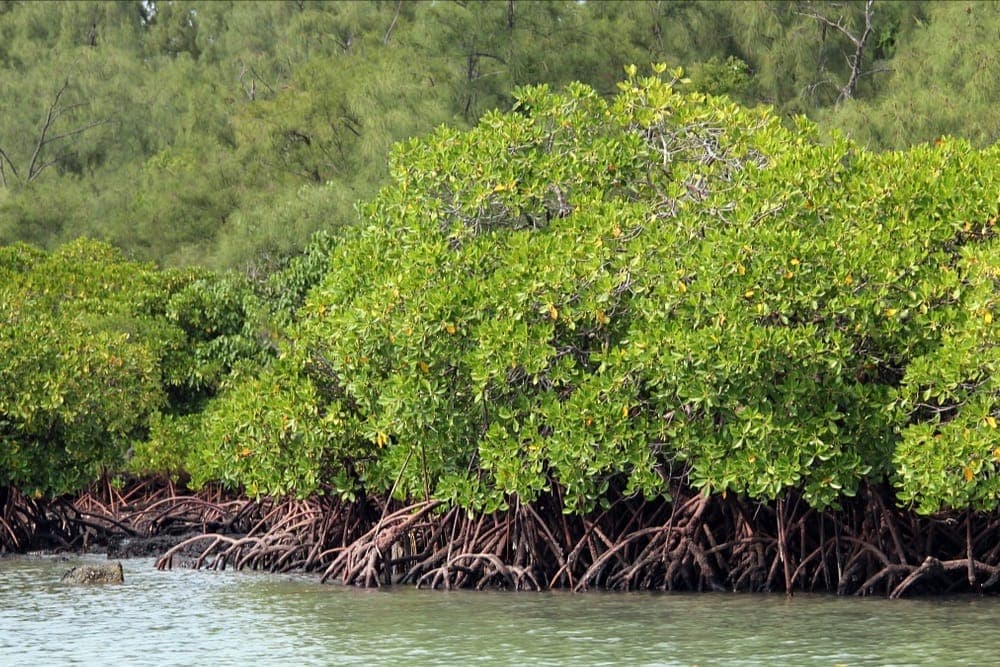
Telunas reports more than 50,000 mangroves planted and 70,000 square metres of mangroves conserved. It states that the conserved area absorbs more than 12 metric tons of carbon dioxide per year. The resort also reports that a solar power system installed in 2019 reduced diesel consumption by 60 percent.
These are meaningful operating indicators because they name a habitat area, a claimed annual carbon effect and an energy-system change. They remain first-party figures unless the underlying method or external assurance is linked. The strongest next reporting step would show measurement dates, calculation methods, ongoing maintenance and progress over time.
How should community impact be assessed?
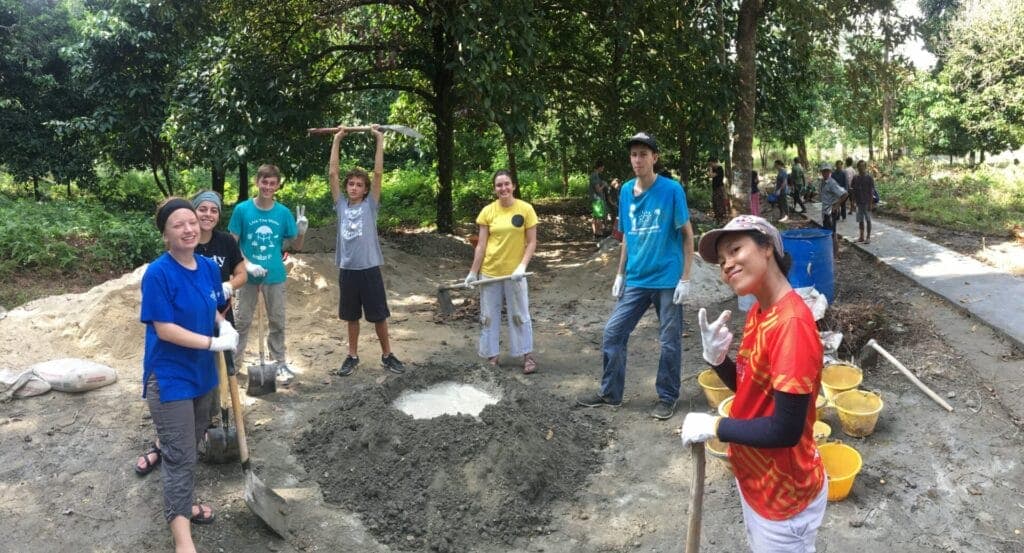
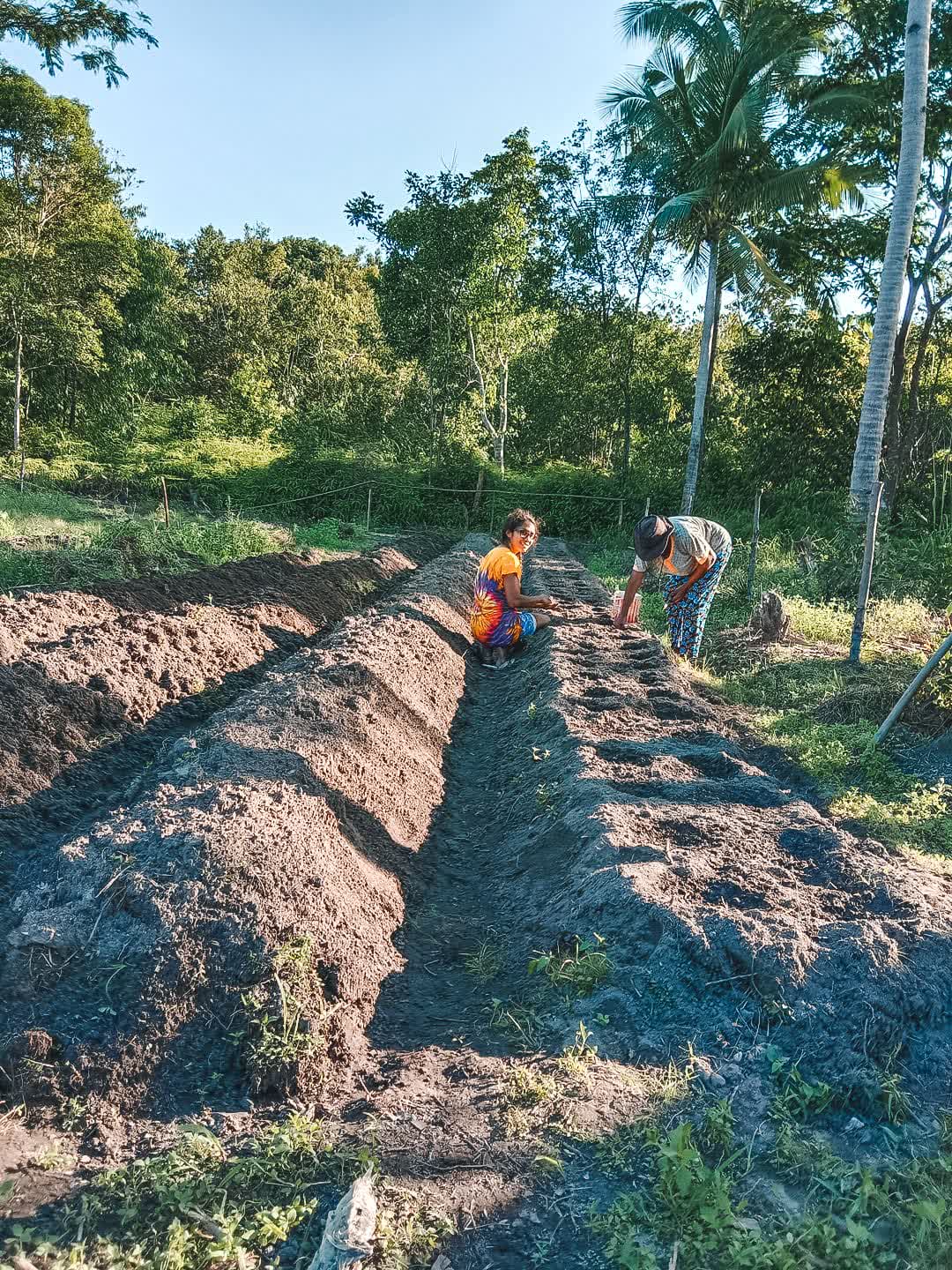
Count more than donations. Look at local employment, training, education, supplier relationships, community decision-making and whether benefits last beyond one guest visit. Telunas reports that the majority of its more than 160 staff come from surrounding islands, that 32 scholarships have been awarded and that work has reached more than 50 villages. It also reports more than 10,000 volunteer hours by guests and staff combined.
The Telunas Foundation page cites a 2025 assessment by the Lien Centre for Social Innovation at Singapore Management University. The published summary says the survey covered 80 local employees using validated wellbeing instruments and reports improvements in life satisfaction and quality-of-life domains. That independent study is a different evidence class from a resort's own activity count, and the two should remain clearly labelled.
What questions expose weak environmental claims?
Ask what changed in operations, not what guests are encouraged to do. Which energy sources were replaced? How is waste measured? Where does wastewater go? What proportion of staff and procurement is local? Who defined the community programme? Which result is externally reviewed? When was the last update?
Watch for claims that mix activity and outcome. Planting a mangrove is an activity. Survival rate, protected area and shoreline or habitat change are outcomes. Awarding a scholarship is an activity. Completion, employment and wellbeing are longer-term outcomes. Both types of evidence matter, but they should not be presented as the same thing.
Boundary: Which property, year, operation and population does the number cover?
Method: How was it counted or calculated, and who reviewed the process?
Outcome: What changed after the activity, and over what period?
Limit: What remains unresolved, and what is the next target?
How can travellers make a more informed choice?
Read the resort's impact material before booking and look for the most recent update. The Bali alternative guide explains how a Riau island stay compares with a longer-haul trip. Follow links to standards or independent studies. Compare what the business measures with what matters in its setting. An island resort should be especially clear about energy, waste, water, transport, marine habitat and local community relationships.
Do not expect one stay to become impact-free. Travel uses resources. The credible claim is that the operator measures its footprint, reduces avoidable harm, shares benefits and reports progress honestly. Telunas provides a stronger evidence base than a broad green label, while still having room to publish fuller methodology and year-by-year results.
Before booking, read the current impact page and then connect the evidence to the property you are considering. The Private Island and Beach Resort have different facilities and operational profiles. A credible programme should eventually make those property-level boundaries easier to understand.
Sources and review date
This guide was reviewed against the current Telunas site and the sources below on 29 July 2026. Always confirm time-sensitive travel information before departure.
- Global Sustainable Tourism Council: GSTC Hotel Standard (retrieved 29 July 2026)
- Telunas Resorts: Telunas Impact (retrieved 29 July 2026)
- Telunas Foundation: Independent Findings and Community Programmes (retrieved 29 July 2026)